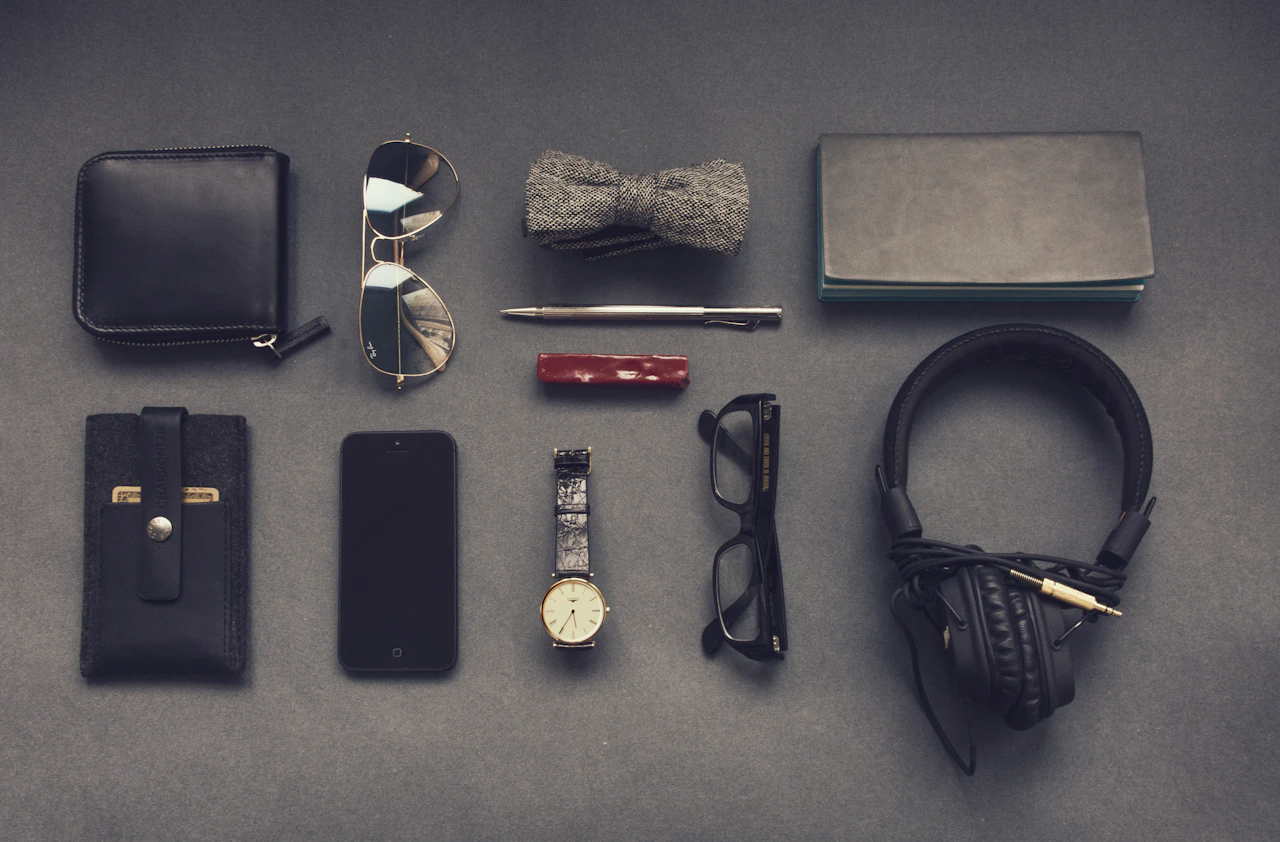
Upgrading to a new iPhone is the perfect time to build a smarter accessory setup, not just a prettier one. The best companion buys are the ones that protect your phone, improve daily usability, and cost less when you bundle them with your upgrade instead of buying piecemeal later. That is why this roundup focuses on practical, high-value add-ons like a verified tech-upgrade timing guide, a dependable phone deal strategy, and the kinds of accessories that actually earn their keep. If you are trying to maximize savings, the sweet spot is simple: buy protection now, buy charging gear once, and avoid the expensive scramble after a drop, a cracked screen, or a missing cable.
This guide is built for shoppers who want better value without digging through dozens of storefronts. We will break down the best accessories to prioritize, how to judge whether a iPhone case deal is worth it, why a Nomad leather case can be a strong long-term buy, and how to pair your purchase with a quality USB-C cable and screen protector. We will also compare accessory types, explain what “bundled savings” really means, and show where buyers often waste money on duplicate or low-grade protection gear. For shoppers who care about timing and launch cycles, this is the same discipline used in our smart shopper timing guide and our advice on spotting real deal apps: verify first, then buy with confidence.
Why buying accessories with a new iPhone usually saves money
Protection starts on day one, not after the first scratch
Most phone damage is not dramatic; it is cumulative. A small drop onto concrete, a pocket full of grit, or one bad desk-slide can turn a pristine phone into a repair bill. Buying a case and screen protector immediately is cheaper than paying for an emergency fix later, especially if you select accessories that are designed for the model you actually own. The best deals are often during launch windows, when accessory makers know buyers are actively building a setup and are more willing to offer launch bundles or free add-ons.
Accessory bundles beat one-off purchases when the math is real
The real value of a bundle is not the sticker discount alone. It is the combination of avoided shipping costs, fewer compatibility mistakes, and better total ownership cost over 12 to 24 months. For example, pairing a premium case with a free protector can be a better deal than buying a cheap case and replacing it twice. This is why curated deal pages matter: they reduce search fatigue and narrow the field to products that fit the phone, the charging standard, and the buyer’s actual usage pattern. If you want a similar approach to curated buying, our smart-home deal roundup shows how bundled value can beat isolated discounts.
Launch-season buying follows the same logic as other smart purchases
Accessory pricing tends to be strongest near phone launches, holiday sales, and major retailer events. That timing matters because premium brands are often most promotional when interest is highest. If you wait too long, the best colors, lengths, or model-specific sizes can sell out first, leaving only the less desirable variants. The strategy is similar to how shoppers secure other time-sensitive buys in our guide to rare phone deals without regret: act when the offer is fresh, but only after confirming fit and value.
The accessory stack that makes the most sense for most buyers
Start with the case, then layer protection
If you are building from scratch, the first purchase should almost always be a case. It is the most visible accessory, but it is also the one that does the most work. The best case is the one you will actually keep on the phone, which means balance matters: good grip, comfortable buttons, reliable drop protection, and enough style that you do not rip it off after a week. Leather cases offer a more premium feel, but rugged shells and clear cases can be the better play if you value impact resistance or want to show off the device finish.
Add a screen protector while the screen is still spotless
A screen protector is a low-cost insurance policy. Even if modern glass is tough, it is not invincible, and micro-scratches can build up faster than most people expect. Applying a protector early gives you the best chance of preserving resale value and minimizing glare from tiny abrasions. A good installer-friendly kit can also save time and reduce the odds of bubbles or dust contamination, which is especially helpful if you are protective about the display appearance. For buyers who care about timing their purchase against product cycles, our upgrade timing guide explains why early accessory shopping is often the best move.
Choose one quality cable instead of three mediocre ones
USB-C has simplified the charging ecosystem, but not all cables are equal. A well-built USB-C cable should support the speeds and durability you need, with braided construction or reinforced strain relief if you travel often. Buying one reliable cable for your desk, car, or nightstand is often smarter than buying a pack of anonymous spares that fail after a month. If you already own multiple chargers, the right cable can unify them and reduce clutter. That is particularly useful for people also carrying laptops, tablets, earbuds, and power banks.
Nomad leather cases: who they are for, and when they are worth paying for
The appeal of leather is feel, grip, and age
A Nomad leather case is typically about long-term satisfaction rather than the cheapest possible upfront purchase. Leather develops character over time, which makes it attractive to buyers who want an accessory that looks better after wear instead of worse. The tactile feel also tends to be more secure in hand than glossy plastic, especially during one-handed use. For buyers who value a premium everyday carry experience, the higher initial spend can be justified if the case lasts through multiple seasons.
How to judge a premium case purchase
Do not evaluate a case only by brand reputation. Look at the edge height around the screen, camera bump coverage, MagSafe compatibility if applicable, button responsiveness, and how tightly the device is held in the shell. A premium price should buy more than aesthetics; it should buy consistent fit and better materials. If the case includes a bonus like a free protector, the value rises, but only if the protector is the right size and from a reputable source. That is why careful deal evaluation matters just as much as finding the lowest price.
When leather is not the best answer
Leather is not ideal for everyone. If you work outdoors, sweat heavily, or need maximum abrasion resistance, a rugged polymer case may outperform leather in daily use. If you frequently swap accessories, a lighter, simpler case may be more practical. And if you like the bare-phone feel, a thin grip case may provide enough protection without adding bulk. The right move is not “premium always.” It is choosing the best tradeoff for your routine, which is the same practical thinking we use in our buy-vs-wait framework.
How to compare cable and charger deals without getting fooled
Read the specs that matter
When comparing a cable deal, the first question is not “How cheap is it?” It is “What does it actually support?” You want to check length, connector type, speed rating, power delivery compatibility, and whether it is meant for data transfer or charging only. A bargain cable that is too short, too slow, or poorly shielded can become a daily annoyance. For shoppers who regularly compare products under pressure, our package tracking guide has a surprisingly relevant lesson: always verify the basics before the order ships so you do not spend time fixing preventable problems later.
Match cable length to the use case
Desk charging, car charging, and bedside charging each need different lengths. A 3-foot cable keeps your desk tidy, a 6-foot cable is better for nightstands, and a longer cable can be ideal for travel or couch use. Too short, and you will stretch ports; too long, and you create clutter. This is one of those small decisions that determines whether a purchase feels satisfying every day or only looks good on the product page.
Do not overbuy cable packs
Multi-packs are tempting, but they often include one good cable and several low-priority extras you will never use. If the price looks amazing, check whether the pack is actually saving you money versus buying a single certified cable with better build quality. In many cases, one reliable cable paired with a second backup later is the better value. That same kind of rational buying discipline also shows up in our guide to timing purchases before prices jump.
Accessory comparison table: what to buy first and why
| Accessory | Best for | Typical value signal | Tradeoff | Buy priority |
|---|---|---|---|---|
| Nomad leather case | Premium feel and everyday protection | Bundle with free screen protector or launch discount | Higher upfront cost | High |
| Rugged case | Maximum drop protection | Drop rating and reinforced corners | More bulk | High |
| Clear case | Showcasing the phone finish | Anti-yellowing materials | Can scuff or discolor | Medium |
| Screen protector | Scratch prevention and resale protection | Easy-install kit, strong reviews | May slightly affect feel | Very high |
| USB-C cable | Reliable charging and data sync | Certified power delivery, braided build | Cheap packs often fail early | Very high |
What bundled savings should look like in a real purchase
Free add-ons matter only if they are useful
The best accessory bundles are practical, not gimmicky. A free screen protector with a case is meaningful because it closes a real protection gap. A free cable is useful if it is the right length and supports your charging setup. But a bundle that throws in an accessory you will never use is not true savings; it is inventory clearing. This is the same mindset savvy shoppers use when evaluating first-time smart home deals or comparing launch offers across categories.
Watch for total cost, not just headline discount
A product can be “20% off” and still be overpriced compared with a better competitor. Compare final price, shipping, warranty, and included extras. Premium accessories often make sense when the total package lowers the effective cost per month of ownership. A $50 case that survives two years can be cheaper than a $20 case that gets replaced three times and fails on the first real drop. For value shoppers, this is the definition of smart bundled savings.
Use deal timing to your advantage
The first weeks after a phone release are usually the best moment to buy exact-fit accessories. Later, discounts may improve, but stock and choice can shrink. If you are already upgrading your iPhone, it often makes sense to lock in the essentials now and wait on noncritical extras until a bigger sale. That approach mirrors the logic in our timing guide and our broader coverage of verified deal hunting.
How to avoid low-quality accessories and fake savings
Check reviews for patterns, not just star counts
Many low-quality accessories look great in photos but fail in daily use. Read reviews for repeat complaints about fit, button alignment, peeling edges, cable fraying, or weak magnets. A good rating is only meaningful when the review language matches your use case. If dozens of buyers mention the same issue, treat that as a signal, even if the average score is high. This kind of pattern reading is similar to how deal shoppers use our no-regret phone deal playbook before buying a major upgrade.
Look for clear compatibility details
Compatibility is the foundation of every accessory purchase. The case must fit the correct model, the cable must match your charging needs, and the screen protector must be sized for your display. If a listing is vague about model year, device size, or connector standard, that is a warning sign. Clear compatibility details are not just helpful; they are the difference between a useful accessory and a return headache.
Beware of “too many extras” bundles
Bundles that include multiple random items can make the headline price look better than it is. If the extras are low quality, they inflate the perceived value without improving your actual experience. A more focused bundle with a case, screen protector, and one proper cable usually beats a cluttered kit of mediocre accessories. That is especially true for buyers who want clean, reliable protection gear rather than a drawer full of unused add-ons.
Best buying scenarios by shopper type
The premium upgrader
If you want the phone to feel as polished as it looks, a leather case and a high-quality cable are likely the right combination. Add a top-tier screen protector and you have a setup that feels complete from day one. This is the right choice for users who value aesthetics, tactile comfort, and long-term consistency more than shaving every dollar off the order. Premium does not mean wasteful if it is chosen carefully and used daily.
The practical protector
If your priority is damage prevention, choose a rugged case, a durable screen protector, and a reinforced cable. This setup emphasizes drop resistance, scratch protection, and charging reliability over style. It is the best fit for commuters, parents, travelers, and anyone who keeps a phone in motion all day. For readers who like efficient, no-nonsense planning, our tracking guide is another good example of utility-first decision-making.
The value maximizer
If you care most about price-to-performance, look for a bundled case-and-protector deal, then buy one dependable cable separately. This approach avoids overspending on accessories you do not need while still covering the essentials. It also gives you flexibility to upgrade one item later without replacing the whole setup. Value maximization is about balance, not just buying the cheapest thing available.
FAQ: iPhone accessory buying questions shoppers ask most
Do I really need a screen protector if the case already has raised edges?
Yes, in most real-world use cases. Raised edges help with drops, but they do not stop keys, dust, or gritty surfaces from scratching the display. A protector is especially valuable if you plan to resell or trade in the phone later. It is one of the lowest-cost forms of insurance you can buy for a new device.
Is a Nomad leather case worth the price?
It can be, if you care about feel, appearance, and long-term daily use. Leather usually costs more upfront, but it can provide a better in-hand experience and age more attractively than cheap plastics. If your priority is maximum ruggedness, though, a different case may offer better value. The key is matching the material to your lifestyle.
What makes a USB-C cable worth buying?
A worthwhile cable should be durable, appropriately long, and rated for your charging and data needs. Look for strong connectors, braided construction, and clear support information. Cheap no-name cables often fail at the ports or deliver inconsistent performance. A dependable cable is one of the most underrated accessories in the entire ecosystem.
Are accessory bundles always a better deal?
No. Bundles are only better if the included items are genuinely useful and well matched to your phone. A free protector or cable can add real value, but random extras can distract from a mediocre base price. Always compare the bundle’s final cost to buying each essential item separately.
Should I buy accessories before the phone arrives?
Usually yes, especially for exact-fit items like cases and screen protectors. Buying in advance means you can protect the phone immediately instead of risking an unprotected first week. Just be sure the accessories are compatible with the model you ordered. If you are unsure about launch timing, revisit our upgrade timing guide before checkout.
Bottom line: the smartest accessories are the ones you use every day
The best iPhone accessories are not the flashiest; they are the ones that improve your routine, protect your investment, and avoid unnecessary replacement costs. A strong case, a quality screen protector, and one reliable USB-C cable cover the essentials for most buyers. From there, a timed purchase strategy and a careful eye for deal quality can turn an ordinary accessory order into a genuinely smart upgrade. If you want the most balanced setup, prioritize protection first, then premium feel, then any extras that make daily charging and carry easier.
Pro Tip: Buy your case, screen protector, and cable in the same order whenever possible. You will usually save on shipping, reduce compatibility mistakes, and set up your phone correctly from day one.
Related Reading
- Best Doorbell and Home Security Deals for First-Time Smart Home Buyers - Learn how curated bundles can simplify first-time protection purchases.
- The Ultimate Guide to Tracking Every Package: Tools, Tips, and Best Practices - Useful for keeping accessory orders organized and on time.
- How to Spot Real Travel Deal Apps Before the Next Big Fare Drop - A practical guide to verifying deals before you buy.
- How to Snag a Once-in-a-Lifetime Pixel 9 Pro Deal Without Regret - Phone-upgrade tactics that translate well to accessories.
- The Smart Shopper's Tech-Upgrade Timing Guide: When to Buy Before Prices Jump - A timing framework for getting the best total value.


